Showing posts with label metabolism. Show all posts

Tuesday, 13 March 2012

Diet Deception: The Cabbage Soup Diet


The Premise: 
The more soup you eat, the more weight you lose. Cabbage is the one super vegetable with little calories and high fat burning capabilities.

The Provisions: 
The basic ingredients of the soup include three large onions, green bell pepper, a head of celery, dark green cabbage, chopped tomatoes, onion soup mix and three cubes of vegetable stock.

The Promise: 
Weight loss of 10 to 15 pounds in seven days by following the seven-day cabbage soup diet.

The Proof: 
Rachel, 28, marketing assistant said “I tried it and lost 4 pounds. It’s really hard to just eat the darned soup day in and day out over and over! Plus, I actually gained it all back in less than a week so I don’t think this diet works unless you intend to stay on cabbage soup forever which is a fate worse than death, if you ask me”.

The Prognosis: 
First of all, there’s no such thing as “the one food” that will melt all your fat away. Whether its cabbage or grapefruit, eating only one type of food is just nutritionally unsound. Furthermore, it’s only a matter of time before your body starts craving for other types of food which will probably not be the healthiest of choices. In fact, according to an article in the Journal of Nutrition (2001), the only thing you lose in this diet is water, which you will quickly gain back by downing even just a few glasses of water.

The Pros’ Position:
“Anything that shuts out other food groups is already a warning signal for you not to try it. There are no miracle foods out there that you can gorge solely on and expect miracle results. Water is the easiest thing to lose when you want the scales to reflect a lower number pronto. But being water deficient can cause dry skin and make you look old quickly, especially if you keep dehydrating yourself often enough,” says Ana Cruz, an L.A. nutritionist and dietician who once worked for the Duke University Medical Center.

Dr. Sanirose Orbeta, a nutrinionist adds, “People who take this soup will automatically lose weight because it’s very low in total calories. One cup of pure vegetable soup doesn’t even amount to 50 calories, the equivalent of one medium-sized banana or one medium-sized apple. It’s not sustainable for the needs of the body. It’s nutritionally unsound and unsafe.

Saturday, 25 February 2012

Diet Deception: Diet Deception: The Blood Type Diet

The Premise:
Peter J. D’ Adamo, author of Eat Right for Your Type, says that in order to optimize the use of your food intake and channel it into the proper caloric expenditures needed to keep the body healthy, you must take into consideration your blood type. The basic premise is that Type Os are the dominant, hunter/caveman types and thus, are mainly carnivores; Type As are docile vegetarians and Type Bs are dairy-eating omnivores. According to D’ Adamo, this fact is supported by the action of lectins, sugar-wielding proteins found on the surface of certain foods that cause various molecules and cells to stick together.

The Provisions:
Type Os should stick mainly to protein-rich foods: meat, fish, tofu, eggs etc; Type As to vegetables and food of plant origins: vegetable oils, peanut butter, wheat-based products like pasta and breads, and should stay away from milk as this blood type cannot process milk. Type Bs can eat all the dairy products they want: butter, creams, etc. and since most of these products come from animal sources, meat and poultry is allowed in minimal amounts.

The Promise:
Reduces the risks of heart disease and steers you away from multi-organ dysfunction. Plus, it can ensure the proper processing of your daily intake and channel it into healthier, more effective means of expenditure.

The Prognosis:
The book contains a lot of scientifically dissatisfying, one-size-fits-all statements such as “Type Os don’t tolerate whole wheat products at all,” which leads one to believe that Type Os can generally die from taking wheat products. How much wheat can Type Os tolerate before it leads to massive heart failure or smoke?

Another argument is that “if a Type A drinks milk, her system will immediate start the agglutination process in order to reject it.” But the author offers no proof to support this statement. No statements are even offered explaining why Type As who drink milk (sometimes massive quantities of it) aren’t rushing to their graves as a result of strokes when their blood agglutinates in their entire system

Agglutination is when the red blood cells (RBC) stick together to form clumps; a process that happens when the surface of red blood cells become coated with fat or other substances that make them adhere to each other’s surfaces. When agglutination occurs, the RBC can block the blood flow in the smaller capillaries and obstruct the flow of oxygen to vital organs such as the brain, the heart and the kidneys. Oxygen deprivation leads to infraction of the tissue or cell death. Again, the whole concept of the Blood Type diet is to eat only foods compatible to your blood type to prevent agglutination. Eating incompatibility can lead to fatal consequences and eventually death.

Most people aren’t even aware of their blood types so one can safely assume that on a daily basis and based on the premise of this diet; a person eats the wrong type of food regularly. According to the author, it’s only a matter of time before it takes its toll on the person’s health causing severe damages to his vital organs.

Search if you will, but you’ll find no pathologist to support the contention that tissue infraction from lectin-induced red cell agglutination causes disease and death in humas.

The Pros’ Position:
“Being that there are no concrete medical studies to back up the author’s assertions. I don’t think this diet holds much water. If milk’s really bad for you, why does entire government launch elaborate campaigns to promote it? Why there has been no documentation on people being hospitalized by the dozen because their blood cells stuck together?” says Ana Cruz, an L.A. nutritionist and dietician who once worked for the Duke University Medical Center. 

Tuesday, 3 January 2012

Caffeine: The Right Way


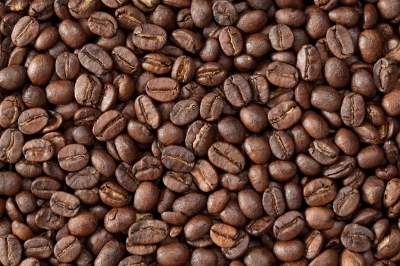
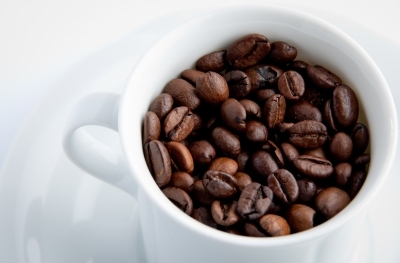
The word “coffee” comes from the ancient Arabic word qahweh which means “gives strength”. The computer data-base at the Colgan Institute contains over 600 citations on caffeine, stretching back two centuries. So the effects of caffeine, the main stimulant in coffee, have been known for thousand of years.

Properly used, caffeine is a bonanza. Dr Melvin Williams and his colleagues at Old Dominion University in Norfolk, Virginia have produced excellent reviews, showing that caffeine stimulates the our  central nervous system, increases the release of adrenalin, increases the use of body fat as fuel, and spares glycogen.

There are also two detrimental effects of caffeine that commonly being cited: it is a diuretic which will make us lose water in our body, and is a thermogenic which means that it raises our metabolic rate and our body’s temperature.  The athletes are frequently being warned that taking caffeine can make them dehydrated. But nearly all the studies showing these effects were done with inactive folk.

Recent research using athletes as subjects, found no diuresis or thermo genesis. Dr Baraket Falk and his colleagues at McMaster University, Ontario, gave endurance runners caffeine at 7.5mg/kg bodyweight (560 mg for a 75kg man). The dose had no effect on water loss, and did not raise temperature any higher without it, in men running a treadmill to exhaustion at 70-75% of VO2max. That's about as fast as you can go in long endurance exercise. So forget those two old bogeys of sedentary caffeine use. Caffeine on the run is a different animal.

The most common beneficial finding on caffeine use is an increase in burning of body fat as fuel. Compared with controls, up to 100% more body fat is used by subjects given with caffeine. If your body is using more fat for energy, then it is sparing your muscle glycogen, and therefore will extend your time to exhaustion in long endurance events. One proviso: if you load carbohydrates, so that your muscles are filled with glycogen above its normal levels, then your body is more primed to use glycogen, and caffeine fails to increase the burning of fat. Your body always takes the easiest of its many alternative routes. Supercharge one fuel source and it will use that first.

We also have to take the caffeine at the right time. Although many exercise studies have given caffeine one hour before exercise, studies that centers on measurement of our body’s free fatty acid metabolism, show that our body's fat-burn reaction to caffeine will only begin 3 hours after ingestion. 

As a final tip. If you drink coffee to get your caffeine, which is a better way to do it than taking pills, keep away from the inexpensive coffees prepared from the beans of Coffea Robusta. They make a sour brew, brown that is hell on the gut. Go and get Coffea Arabica, like Guatemalan Antigua, Kenyan AA or 100% Columbian.  


Image 1: http://www.freedigitalphotos.net/images/view_photog.php?photogid=1982
Image 2: http://www.freedigitalphotos.net/images/view_photog.php?photogid=413
Image 3: http://www.freedigitalphotos.net/images/view_photog.php?photogid=1499